Sometimes, draining an inground pool is necessary as a step towards fixing the pool’s lining or refreshing the water. Regardless of why it needs draining, ensure you know the risks and how to drain the pool properly.
<script type="application/ld+json">
{
  "@context": "https://schema.org",
  "@graph": [
    {
      "@type": "Article",
      "headline": "Draining Inground Pool",
      "description": "Learn why you need to drain your inground pool, the risks involved, and the proper steps to safely drain your pool. Understand bracing systems and hydrostatic pressure.",
      "url": "https://lotuspools.com/blog/draining-inground-pool/",
      "datePublished": "2025-07-14T11:24:38+00:00",
      "dateModified": "2025-12-10T14:45:30+00:00",
      "author": {
        "@type": "Organization",
        "name": "Lotus Pools"
      },
      "publisher": {
        "@type": "Organization",
        "name": "Lotus Pools",
        "logo": {
          "@type": "ImageObject",
          "url": "https://lotuspools.com/wp-content/uploads/2024/06/logo.svg"
        }
      },
      "articleBody": "Sometimes draining an inground pool is necessary for repairs, refreshing water, addressing high total dissolved solids levels, fixing cloudy or smelly water, treating algae or bacteria overgrowth, or surface cleaning. However, draining increases the risk of damaging the pool liner and making the shell vulnerable to cracking or popping. Fiberglass and lined pools must have braced walls before draining since water acts as the structure. Bracing systems go horizontally and vertically to prevent walls from bowing or collapsing. Hydrostatic pressure can build beneath the pool surface, causing buoyancy. Hydrostatic valves release groundwater into the pool to add weight and avoid buoyancy. Professional pool draining involves turning off equipment, setting up a submersible pump, draining water, removing the pump, opening hydrostatic relief valves, and then performing necessary repairs and maintenance."
    },
    {
      "@type": "HowTo",
      "name": "How to Drain Your Inground Pool",
      "description": "Step-by-step process for properly draining an inground pool while preventing damage",
      "step": [
        {
          "@type": "HowToStep",
          "name": "Turn Off Equipment",
          "text": "Turn off all pool equipment and disconnect the electrical elements."
        },
        {
          "@type": "HowToStep",
          "name": "Set Up Pump and Hose",
          "text": "Set up a submersible (sump) pump and hose to drain the water away from your house."
        },
        {
          "@type": "HowToStep",
          "name": "Start Draining",
          "text": "Turn on the sump pump and start draining the water."
        },
        {
          "@type": "HowToStep",
          "name": "Remove Pump",
          "text": "Remove the sump pump once the majority of the water is gone and it no longer suctions water out."
        },
        {
          "@type": "HowToStep",
          "name": "Open Relief Valves",
          "text": "Open the hydrostatic pressure relief valves to alleviate the pressure from underground water."
        },
        {
          "@type": "HowToStep",
          "name": "Complete Maintenance",
          "text": "Repairs and maintenance can occur with most or all of the water gone."
        }
      ]
    },
    {
      "@type": "FAQPage",
      "mainEntity": [
        {
          "@type": "Question",
          "name": "Why would you need to drain an inground pool?",
          "acceptedAnswer": {
            "@type": "Answer",
            "text": "You may need to drain your inground pool for various reasons including repairs, changing pool water, high total dissolved solids (TDS) levels, cloudy or smelly water that chemicals haven't fixed, algae, bacteria or mold overgrowth, or surface cleaning needs."
          }
        },
        {
          "@type": "Question",
          "name": "What are the risks of draining an inground pool?",
          "acceptedAnswer": {
            "@type": "Answer",
            "text": "Draining an inground pool increases the chance of damaging the pool liner and making the shell vulnerable to cracking or popping out of the ground. Water acts as the structure in liner and fiberglass pools, so without it, the walls risk bowing and collapsing. Additionally, hydrostatic pressure can build up beneath the surface, causing the pool to become buoyant and pop out of the ground."
          }
        },
        {
          "@type": "Question",
          "name": "What is bracing and why is it important when draining a pool?",
          "acceptedAnswer": {
            "@type": "Answer",
            "text": "Bracing is a system of horizontal and vertical supports that go along the pool walls to prevent them from bowing and collapsing when water is drained. Since water acts as the structure in liner and fiberglass pools, bracing replaces the pressure usually provided by the water. Typically two to three braces are required, though larger pools may need more."
          }
        },
        {
          "@type": "Question",
          "name": "What are hydrostatic pressure relief valves?",
          "acceptedAnswer": {
            "@type": "Answer",
            "text": "Hydrostatic valves are located next to the main drain on the pool floor. They release groundwater below into the pool to add weight and avoid buoyancy when the pool is drained. The valve also acts as a pressure release valve to relieve water pressure that builds up beneath the pool surface."
          }
        }
      ]
    },
    {
      "@type": "LocalBusiness",
      "name": "Lotus Pools",
      "description": "Professional pool draining, maintenance and repair services for the Chicago area",
      "url": "https://lotuspools.com/",
      "telephone": "847-907-4995",
      "email": "[email protected]",
      "address": {
        "@type": "PostalAddress",
        "streetAddress": "3701 Berdnick St Unit I",
        "addressLocality": "Rolling Meadows",
        "addressRegion": "IL",
        "postalCode": "60008",
        "addressCountry": "US"
      },
      "aggregateRating": {
        "@type": "AggregateRating",
        "ratingValue": "4.9",
        "reviewCount": "151"
      },
      "sameAs": [
        "https://www.google.com/maps/place/Lotus+Pools"
      ]
    }
  ]
}
</script>You may need to drain your inground pool for various reasons, such as:
Though it’s important to drain the water when doing extensive repairs or maintenance, there are risks of damaging the pool after draining it. Draining your inground pool entirely increases the chance of damaging the pool liner and making the shell more vulnerable to cracking or popping out of the ground.
If you have a fiberglass or lined pool and need to drain all or some of the water, you must brace the walls before draining. The water acts as the structure in liner and fiberglass pools, so without it, the walls risk bowing and collapsing in on themselves. Bracing the walls ensures they don’t cave in once the water drains.
Bracing systems typically go along the walls horizontally and vertically to prevent the sides from pushing in due to the surrounding ground pressure imbalances. Often, only two to three braces are required to replace the pressure usually there from the water, but you may need a couple more depending on the size of your pool.
Additionally, hydrostatic pressure can build up beneath the surface of the pool, causing it to become buoyant and pop out of the ground. When open, hydrostatic valves on pools — located next to the main drain on the pool floor — release the groundwater below into the pool to add weight and avoid buoyancy. The valve also acts as a pressure release valve to relieve water pressure.
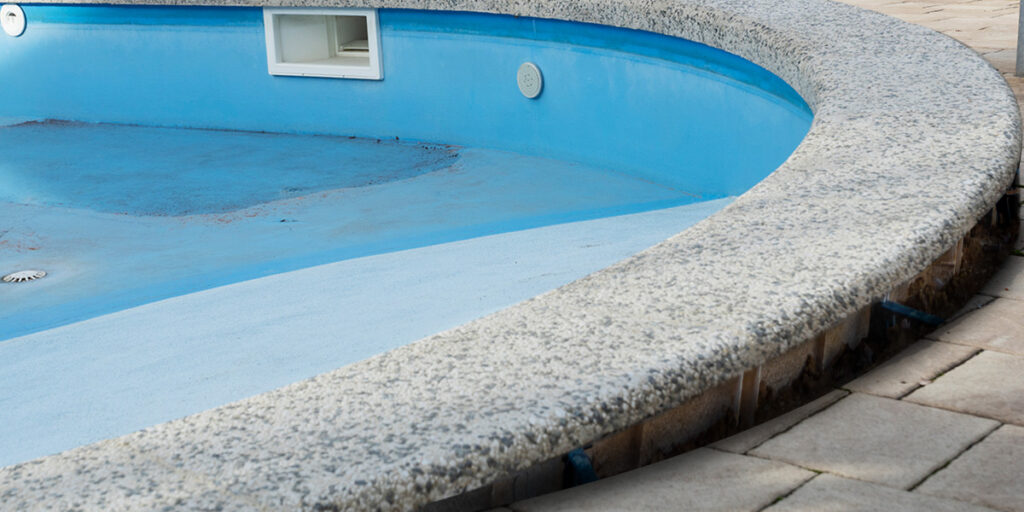
Draining an inground pool takes time, especially if the pool is completely full. When you need to drain it, it’s best to leave the job to professionals who know exactly what they’re doing and have experience draining other pools. Experts will use caution when diagnosing any issues and draining the inground pool to prevent injuries or other problems from arising.
They may follow a process similar to these steps to drain the pool:
Repairs and maintenance can occur with most or all of the water gone.
Maintaining your inground pool ensures you can enjoy it for a long time. Whenever you need to drain the water from the pool or need repairs completed, the Lotus Pools team is here for you. You can count on us to safely drain the water and provide necessary repairs or maintenance. Get closer to having a functioning pool again by scheduling a service call or contacting us to learn more about our services.